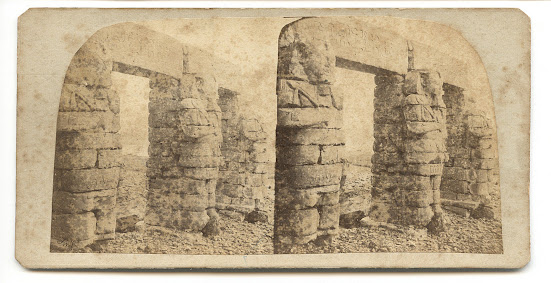
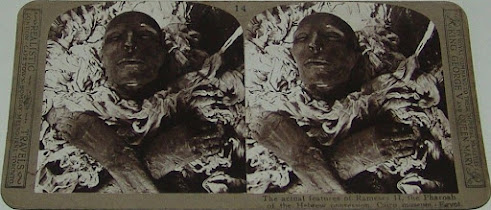
The colossal head of Ramesses II found a few years back in a modern cemetery in the city of Akhmim along with the sculptures from the temple have been removed from the site and placed in storage for their protection. The temple on the site was described by Herotodus as larger than Karnak temple and no doubt much of the temple still lye's buried beneath.
Since the January 2011 revolution there has been no money to continue excavations and left unprotected locals have turned the site into a garbage dump.
Egyptians
Saturday, May 18, 2013
Sunday, May 12, 2013
Bulldozing Egypt
With the loss of much of Egypt's tourist trade comes a lack of resources to properly protect her countless monuments from encroaching buildings , destruction of archaeological sites as well as looting of artifacts. The destruction taking place at Dashur near the 12th Dynasty pyramid of Amenemhet III has been widely reported in the media while the photo in the article of a garbage dump near the Obelisk of Senusret I is truly a sad sight to see.
Tuesday, May 7, 2013
X-Raying The Pharaohs
James E. Harris and Kent Weeks
Charles Scribner's Sons
New York
1973
SBN 684-13016-5
It is hard to believe that 40 years has passed since this landmark study of Egypt's royal mummies, the studies answered many questions which had to that point remained impossible to answer without damaging the precious bodies of the ancient kings and queens in the collection of the Egyptian museum, Cairo.
The book opens with a portfolio of colour pictures which show the colour of mummies through various periods of Ancient Egyptian history and right on the first page is a fantastic picture of the extremely fragile 11th Dynasty mummy of the Lady Imenit. The mummy posses no quality of life in the attitude of her remains though she does posses vast quantities of jewelry about her neck.
These 4 pages of images are followed by many black and white pictures which include many x-rays including a wonderful one of the head of the aforementioned Lady Imenit though her features are difficult to make out in the jumble of her necklaces'. I guess at that time one of the questions scholars most wanted to know was the position of the arms on the mummy of King Amenhotep I who because of his beautiful wrappings has not been unwrapped in modern times.
The x-rays of this king showed that his broken arms were likely originally crossed in front of the body. They also showed a bead girdle on the king just one of a number of unforeseen objects that would turn up on the mummies.
As nice as the artifacts are they are merely bonus' to the intended study of the dentition and bones of the mummies. The reader is presented with an image of the mummy of the rarely seen 19th Dynasty King Siptah and an x-ray of his "club foot" which the author suggests may have been the result of poliomyletis.
Into chapter one "The Mummy" the author puts forward misconceptions of mummies as frightening creatures waiting to strike and the misguided doctors and druggists who prescribed ground mummy for ailments in centuries past. We are introduced to the royal mummy caches and the two previous studies which had been done on the mummies in those caches by Gaston Maspero and Elliot Smith.
The impetus for the project to x-ray the royal mummies is set out beginning in around 1960 with the building of the Aswan high dam. A call went out to rescue and excavate the sites in Nubia including a number of large cemetery's at Gebel Adda which thousands of bodies were excavated from. James E. Harris an orthodontist and geneticist was hired to lead an expedition on the dentition of the occupants of the cemetery's to judge the health of the ancient people.
The project being a success was carried over with permission of the Egyptian authorities to study upper class mummies at Giza and Thebes. The project than turned to the mummies in the Egyptian Museum including its collection of royal mummies.
In the first season small details including the leaded glass cases which held the mummies produces less than desirable results though still impressive enough that in the next season the reluctant keepers allowed the mummies to be removed from their cases to excellent result. Along with the royal mummies the team x-rayed almost every mummy in the museum but for a couple.
"One member of the staff told us that the attic storeroom had been locked for as long as he could remember-thirty years or more, he said. Stepping over the threshold into two inches of chocking dust, we felt like excavators entering a tomb that had been sealed for millennia.
The small attic room was filled with sarcophagi, stacked three deep along the walls, like some ancient embalmer's storeroom. There were forty mummies of the late New Kingdom, high priests, officials and others, all named and in excellent condition."
The purposes of the mummy as eternal home for the persons Ka and Ba is explained including the development in burial practices from shallow sand burials to coffins with deep rock cut tombs resulting in experimentation from the embalmers of individual periods coping with these evolving problems. Tomb robberies have been occurring since ancient times and not helped when the culture, particularly the upper class' take their belongings with them including much of their wealth.
The author puts forward the examinations of the royal mummies previous and present including a description of how the results of the x-rays reflect on the remains from the earlier mummies of the 17th Dynasty and early 18th Dynasty. The author tells us of their examination of the mummy of King Amenhotep I:
"The x-rays taken by the Michigan Expedition provided the first glimpse of that pharaoh in over 3000 years. The beautiful wrappings were extremely fragile, and there were anxious moments as the work-men carefully placed the mummy under the x-ray unit.
When the body was removed from its museum case the smell of delphiniums, which had been wrapped with the mummy, was a pungent reminder of how well Egypt's dry climate preserves organic remains."
We turn to the mummies, their histories and the x-rays produced of the great Thutmoside kings up to the body found in Valley of Kings tomb Kv55. We are told the history of the Rammesside kings and the condition of their mummies and x-ray results
We move next on to the mummies of the family of the High priests of Amun and a more sophisticated embalming rituals producing lifelike visages in the 21rst Dynasty. The scale of this project which has led to the examination of Cairo's royal mummy collection has produced findings which will result in study for many years to come of ancient North Africans from the lowly cemeteries at Gebel Adda to the greatest of ancient Egypt's New Kingdom rulers.
Here we have one of those rare books which should appeal to people across a whole field of personal interests including for those readers 10 and up but for those Egyptophiles no important collection of Egyptian books could be complete without X-Raying the Pharaohs.
Charles Scribner's Sons
New York
1973
SBN 684-13016-5
It is hard to believe that 40 years has passed since this landmark study of Egypt's royal mummies, the studies answered many questions which had to that point remained impossible to answer without damaging the precious bodies of the ancient kings and queens in the collection of the Egyptian museum, Cairo.
The book opens with a portfolio of colour pictures which show the colour of mummies through various periods of Ancient Egyptian history and right on the first page is a fantastic picture of the extremely fragile 11th Dynasty mummy of the Lady Imenit. The mummy posses no quality of life in the attitude of her remains though she does posses vast quantities of jewelry about her neck.
These 4 pages of images are followed by many black and white pictures which include many x-rays including a wonderful one of the head of the aforementioned Lady Imenit though her features are difficult to make out in the jumble of her necklaces'. I guess at that time one of the questions scholars most wanted to know was the position of the arms on the mummy of King Amenhotep I who because of his beautiful wrappings has not been unwrapped in modern times.
The x-rays of this king showed that his broken arms were likely originally crossed in front of the body. They also showed a bead girdle on the king just one of a number of unforeseen objects that would turn up on the mummies.
As nice as the artifacts are they are merely bonus' to the intended study of the dentition and bones of the mummies. The reader is presented with an image of the mummy of the rarely seen 19th Dynasty King Siptah and an x-ray of his "club foot" which the author suggests may have been the result of poliomyletis.
Into chapter one "The Mummy" the author puts forward misconceptions of mummies as frightening creatures waiting to strike and the misguided doctors and druggists who prescribed ground mummy for ailments in centuries past. We are introduced to the royal mummy caches and the two previous studies which had been done on the mummies in those caches by Gaston Maspero and Elliot Smith.
The impetus for the project to x-ray the royal mummies is set out beginning in around 1960 with the building of the Aswan high dam. A call went out to rescue and excavate the sites in Nubia including a number of large cemetery's at Gebel Adda which thousands of bodies were excavated from. James E. Harris an orthodontist and geneticist was hired to lead an expedition on the dentition of the occupants of the cemetery's to judge the health of the ancient people.
The project being a success was carried over with permission of the Egyptian authorities to study upper class mummies at Giza and Thebes. The project than turned to the mummies in the Egyptian Museum including its collection of royal mummies.
In the first season small details including the leaded glass cases which held the mummies produces less than desirable results though still impressive enough that in the next season the reluctant keepers allowed the mummies to be removed from their cases to excellent result. Along with the royal mummies the team x-rayed almost every mummy in the museum but for a couple.
"One member of the staff told us that the attic storeroom had been locked for as long as he could remember-thirty years or more, he said. Stepping over the threshold into two inches of chocking dust, we felt like excavators entering a tomb that had been sealed for millennia.
The small attic room was filled with sarcophagi, stacked three deep along the walls, like some ancient embalmer's storeroom. There were forty mummies of the late New Kingdom, high priests, officials and others, all named and in excellent condition."
The purposes of the mummy as eternal home for the persons Ka and Ba is explained including the development in burial practices from shallow sand burials to coffins with deep rock cut tombs resulting in experimentation from the embalmers of individual periods coping with these evolving problems. Tomb robberies have been occurring since ancient times and not helped when the culture, particularly the upper class' take their belongings with them including much of their wealth.
The author puts forward the examinations of the royal mummies previous and present including a description of how the results of the x-rays reflect on the remains from the earlier mummies of the 17th Dynasty and early 18th Dynasty. The author tells us of their examination of the mummy of King Amenhotep I:
"The x-rays taken by the Michigan Expedition provided the first glimpse of that pharaoh in over 3000 years. The beautiful wrappings were extremely fragile, and there were anxious moments as the work-men carefully placed the mummy under the x-ray unit.
When the body was removed from its museum case the smell of delphiniums, which had been wrapped with the mummy, was a pungent reminder of how well Egypt's dry climate preserves organic remains."
We turn to the mummies, their histories and the x-rays produced of the great Thutmoside kings up to the body found in Valley of Kings tomb Kv55. We are told the history of the Rammesside kings and the condition of their mummies and x-ray results
We move next on to the mummies of the family of the High priests of Amun and a more sophisticated embalming rituals producing lifelike visages in the 21rst Dynasty. The scale of this project which has led to the examination of Cairo's royal mummy collection has produced findings which will result in study for many years to come of ancient North Africans from the lowly cemeteries at Gebel Adda to the greatest of ancient Egypt's New Kingdom rulers.
Here we have one of those rare books which should appeal to people across a whole field of personal interests including for those readers 10 and up but for those Egyptophiles no important collection of Egyptian books could be complete without X-Raying the Pharaohs.
Tuesday, April 30, 2013
The Complete Tutankhamun
Nicholas Reeves
Thames and Hudson Ltd.
London
1990
ISBN-10: 0500278105
I must open with the truth, as I go through my Egyptian collection all of the unread books about Tutankhamun, (and Cleopatra), are becoming more and more dominant in the collection as books about mummies, the Valley of Kings and pyramidiots are read and removed!
This book opens with a forward by the current Earl of Carnarvon about his glamorous ancestor and his association with Howard Carter and the boy Tutankhamun. Mr. Reeves sets out the boy kings family chronology and a brief introduction into the tombs discovery.
The known history of Tutankhamun's illustrious early 18th Dynasty ancestors is presented including Thutmosis' I, II and III leading up to the height of the Egyptian empire with the boy kings grandfather "Amenhotep the magnificent". The Amarna period with its heretic Pharaoh Akhenaten, (Tutankhamun's father), deals with the various aspects including the rise of the Aten, the art and the conflict with the priests of Amun including the erasure of the gods name from the monuments.
The reader is presented with Nefertiti and the succession of king and characters of the court during the period. A quarter century since the publication of the book and yet we know little more of Tutankhamun's parentage and about the boy king himself.
I loved the rundown of the known monuments of Tutankhamun including faience jewelry and seals bearing his name from sites in Egypt and collections around the world. Mr. Reeves is next on to the officials of Tut's reign including Nakhtmin who gave shabti's to Tutankhamun's burial.
"On a statue of the man probably carved during the reign of Ay, Nakhtmin is designated 'king's son'. If Ay had intended that Nakhtmin should succeed him, it was an ambition which Horemheb was destined to foil."
With the reign of Horemheb begins the erasure of the Amarna period kings including Tutankhamun's name from history so fortunately was the memory of his burial also forgotten. From here 3000 years pass and we are on to the search and discovery of the tomb starting with the belief by Theodore Davis that the Valley of Kings had now been exhausted of finds.
A number of Mr. Davis' discoveries are noted especially those which were related to Tutankhamun including the mortuary deposit found in Valley of Kings pit KV54, which Mr. Davis believed was the tomb of Tutankhamun, the contents of Kv54 rescued from Davis' brutal treatment of the material by New York's Herbert Winlock who realized the importance of it and brought it back to the Metropolitan Museum of Art for study.
The author is on to the early career path of Howard Carter in Egypt as artist and trainee archaeologist who left Flinders Petrie unimpressed. An amusing sketch from a low point in Howard Carters career in 1909 by fellow Inspector of Antiquities Arthur Weigal shows Carter as down and out.
Lord Carnarvon arrives in Egypt for his health and decides to excavate to pass the time finding little but a mummified cat with this Lord Carnarvon receives an introduction to Carter to help the lord in his excavations. Mr. Reeves then presents the personal antiquities collection of Lord Carnarvon and writes about the early excavations among the royal tombs of the New Kingdom.
We are now on to the tombs discovery and the gathering of experts in different fields to aid in its cataloging, emptying as well as restoration and decipherment of the sepulchers contents. The death of Lord Carnarvon becomes a setback to the team as the lord was the teams public relations man and was very good at it unlike Howard Carter who on top of everything else had to now deal with the press which now included Arthur Weigall who had derided Carter years before.
As the situation worsens Carter and his team are locked out of the tomb by Nationalist and Carter's own arrogance, during which time the sarcophagus lid was left suspended above the sarcophagus and the pall was forgotten out in the open becoming ruined.
"Mr. Carter's agitation on discovering the condition of the precious object was intense, but he contended himself with the remark, "Well, anyway, it's your pall, not mine, and it's the only one in the world."'
Worse still Carter is informed that the Nationalists found a wood head of the king in a crate in the tomb of Ramsses XI used as the teams dining room. Mr. Reeves writes about the tombs architecture and decoration and various elements including objects found within these areas of the tomb.
Again the photos are numerous though I am impressed by the drawings of the various seals found in the tomb including a list of where they were found. The evidence of robberies in ancient times is reviewed with the possibility that there were two robberies and that one of them occurred during the reign of Horemheb.
This point the author writes about the shrines, sarcophagus, coffins, mask and mummy of the king with a number of Howard Carters drawings of the mummy in various stages of unwrapping. Of the canopic shrine Arthur Mace to his wife:
"One thing in particular...simply knocked us all of a heap...I think it is the most beautiful thing I've ever seen anywhere...Round [the canopic shrine] were four statues of goddesses, most un-Egyptian in attitude. and beautifully modelled."
Mr Reeves writes about the chest and its contents including notice that much of this material belonged to a recent ancestor. The fetus' found in the treasury are examined and said to be the unbourn children of Tutankhamun and Ankhesenanum.
Chapter V titled "Treasures of the Tomb" like the rest of the book the treasures are listed beginning with the guardian statues and moving through the tombs mysterious ritual figures and objects of magic including a list of the ritual figures and where found in the tomb.
I guess it is the nature of the subject that the pictures are pretty standard after all the countless publications on Tutankhamun, there cannot be much more to photograph as unseen, but I am a critic and the images will guide a person including children into a clearer view of the find.
The author is on to the 413 various shabtis found with the king including those donated by courtiers including Maya and Nakhtmin. These servant figures appear in many materials and include some wonderful examples in gilded wood.
Among the kings funerary models included 35 boats of all kinds with amazingly much of the rigging and linen sails still present. Mr. Reeves is on to the three ritual couches, two of which were put together wrong having their parts mixed up with each other.
With Tutankhamun's jewels we find his fame and little wonder even though most of the best pieces were stolen thousands of years ago along with many of the precious linens and cosmetics. It is not often the viewer is presented with an image of the broken mirror handle as well as the lid of a lost gold box or little game sticks.
Perhaps the greatest regret of the tomb was that it lacked documents of the kings time which were bureaucratic in nature and instead only dockets of contents of boxes, baskets, jars and creation dates of objects, including of course the magical texts needed in the kings journey through the underworld on much of the funerary equipment, but no bio of the boy king and even stranger no mention of his mother, a feature most common in pharaonic burials but not to KingTutankhamun's burial?
The author presents an effective breakdown of various classes of artifacts found within the sepulcher including condition when found and anything quirky such as the black cloth covering the back of the golden throne as if to hide it. In all the main ancestors mentioned in the burial are Akhenaten and the late immediate family of the heretic including Neferneferuaten and Meritaten though a scribal pallet belonged to a pre-deceased sister, Meketaten.
It cannot go unnoticed that among Tut's Heirlooms are a few objects dated to the time of the great ancestor Thutmosis III. I guess my problem with books about the tomb of the boy king is the large quantity of objects found which to myself feels like it keeps going on and on and on long after I have lost interest!
Thankfully at this point I have found myself at the end and must confess I enjoyed it and consumed it quickly. I have found for ages 10 and up that if you never read a book about Tutankhamun or if you have read too many Nicholas Reeves brings to an over exposed morbid theater a worthy composition in "The Complete Tutankhamun".
Thames and Hudson Ltd.
London
1990
ISBN-10: 0500278105
I must open with the truth, as I go through my Egyptian collection all of the unread books about Tutankhamun, (and Cleopatra), are becoming more and more dominant in the collection as books about mummies, the Valley of Kings and pyramidiots are read and removed!
This book opens with a forward by the current Earl of Carnarvon about his glamorous ancestor and his association with Howard Carter and the boy Tutankhamun. Mr. Reeves sets out the boy kings family chronology and a brief introduction into the tombs discovery.
The known history of Tutankhamun's illustrious early 18th Dynasty ancestors is presented including Thutmosis' I, II and III leading up to the height of the Egyptian empire with the boy kings grandfather "Amenhotep the magnificent". The Amarna period with its heretic Pharaoh Akhenaten, (Tutankhamun's father), deals with the various aspects including the rise of the Aten, the art and the conflict with the priests of Amun including the erasure of the gods name from the monuments.
The reader is presented with Nefertiti and the succession of king and characters of the court during the period. A quarter century since the publication of the book and yet we know little more of Tutankhamun's parentage and about the boy king himself.
I loved the rundown of the known monuments of Tutankhamun including faience jewelry and seals bearing his name from sites in Egypt and collections around the world. Mr. Reeves is next on to the officials of Tut's reign including Nakhtmin who gave shabti's to Tutankhamun's burial.
"On a statue of the man probably carved during the reign of Ay, Nakhtmin is designated 'king's son'. If Ay had intended that Nakhtmin should succeed him, it was an ambition which Horemheb was destined to foil."
With the reign of Horemheb begins the erasure of the Amarna period kings including Tutankhamun's name from history so fortunately was the memory of his burial also forgotten. From here 3000 years pass and we are on to the search and discovery of the tomb starting with the belief by Theodore Davis that the Valley of Kings had now been exhausted of finds.
A number of Mr. Davis' discoveries are noted especially those which were related to Tutankhamun including the mortuary deposit found in Valley of Kings pit KV54, which Mr. Davis believed was the tomb of Tutankhamun, the contents of Kv54 rescued from Davis' brutal treatment of the material by New York's Herbert Winlock who realized the importance of it and brought it back to the Metropolitan Museum of Art for study.
The author is on to the early career path of Howard Carter in Egypt as artist and trainee archaeologist who left Flinders Petrie unimpressed. An amusing sketch from a low point in Howard Carters career in 1909 by fellow Inspector of Antiquities Arthur Weigal shows Carter as down and out.
Lord Carnarvon arrives in Egypt for his health and decides to excavate to pass the time finding little but a mummified cat with this Lord Carnarvon receives an introduction to Carter to help the lord in his excavations. Mr. Reeves then presents the personal antiquities collection of Lord Carnarvon and writes about the early excavations among the royal tombs of the New Kingdom.
We are now on to the tombs discovery and the gathering of experts in different fields to aid in its cataloging, emptying as well as restoration and decipherment of the sepulchers contents. The death of Lord Carnarvon becomes a setback to the team as the lord was the teams public relations man and was very good at it unlike Howard Carter who on top of everything else had to now deal with the press which now included Arthur Weigall who had derided Carter years before.
As the situation worsens Carter and his team are locked out of the tomb by Nationalist and Carter's own arrogance, during which time the sarcophagus lid was left suspended above the sarcophagus and the pall was forgotten out in the open becoming ruined.
"Mr. Carter's agitation on discovering the condition of the precious object was intense, but he contended himself with the remark, "Well, anyway, it's your pall, not mine, and it's the only one in the world."'
Worse still Carter is informed that the Nationalists found a wood head of the king in a crate in the tomb of Ramsses XI used as the teams dining room. Mr. Reeves writes about the tombs architecture and decoration and various elements including objects found within these areas of the tomb.
Again the photos are numerous though I am impressed by the drawings of the various seals found in the tomb including a list of where they were found. The evidence of robberies in ancient times is reviewed with the possibility that there were two robberies and that one of them occurred during the reign of Horemheb.
This point the author writes about the shrines, sarcophagus, coffins, mask and mummy of the king with a number of Howard Carters drawings of the mummy in various stages of unwrapping. Of the canopic shrine Arthur Mace to his wife:
"One thing in particular...simply knocked us all of a heap...I think it is the most beautiful thing I've ever seen anywhere...Round [the canopic shrine] were four statues of goddesses, most un-Egyptian in attitude. and beautifully modelled."
Mr Reeves writes about the chest and its contents including notice that much of this material belonged to a recent ancestor. The fetus' found in the treasury are examined and said to be the unbourn children of Tutankhamun and Ankhesenanum.
Chapter V titled "Treasures of the Tomb" like the rest of the book the treasures are listed beginning with the guardian statues and moving through the tombs mysterious ritual figures and objects of magic including a list of the ritual figures and where found in the tomb.
I guess it is the nature of the subject that the pictures are pretty standard after all the countless publications on Tutankhamun, there cannot be much more to photograph as unseen, but I am a critic and the images will guide a person including children into a clearer view of the find.
The author is on to the 413 various shabtis found with the king including those donated by courtiers including Maya and Nakhtmin. These servant figures appear in many materials and include some wonderful examples in gilded wood.
Among the kings funerary models included 35 boats of all kinds with amazingly much of the rigging and linen sails still present. Mr. Reeves is on to the three ritual couches, two of which were put together wrong having their parts mixed up with each other.
With Tutankhamun's jewels we find his fame and little wonder even though most of the best pieces were stolen thousands of years ago along with many of the precious linens and cosmetics. It is not often the viewer is presented with an image of the broken mirror handle as well as the lid of a lost gold box or little game sticks.
Perhaps the greatest regret of the tomb was that it lacked documents of the kings time which were bureaucratic in nature and instead only dockets of contents of boxes, baskets, jars and creation dates of objects, including of course the magical texts needed in the kings journey through the underworld on much of the funerary equipment, but no bio of the boy king and even stranger no mention of his mother, a feature most common in pharaonic burials but not to KingTutankhamun's burial?
The author presents an effective breakdown of various classes of artifacts found within the sepulcher including condition when found and anything quirky such as the black cloth covering the back of the golden throne as if to hide it. In all the main ancestors mentioned in the burial are Akhenaten and the late immediate family of the heretic including Neferneferuaten and Meritaten though a scribal pallet belonged to a pre-deceased sister, Meketaten.
It cannot go unnoticed that among Tut's Heirlooms are a few objects dated to the time of the great ancestor Thutmosis III. I guess my problem with books about the tomb of the boy king is the large quantity of objects found which to myself feels like it keeps going on and on and on long after I have lost interest!
Thankfully at this point I have found myself at the end and must confess I enjoyed it and consumed it quickly. I have found for ages 10 and up that if you never read a book about Tutankhamun or if you have read too many Nicholas Reeves brings to an over exposed morbid theater a worthy composition in "The Complete Tutankhamun".
Subscribe to:
Posts (Atom)